
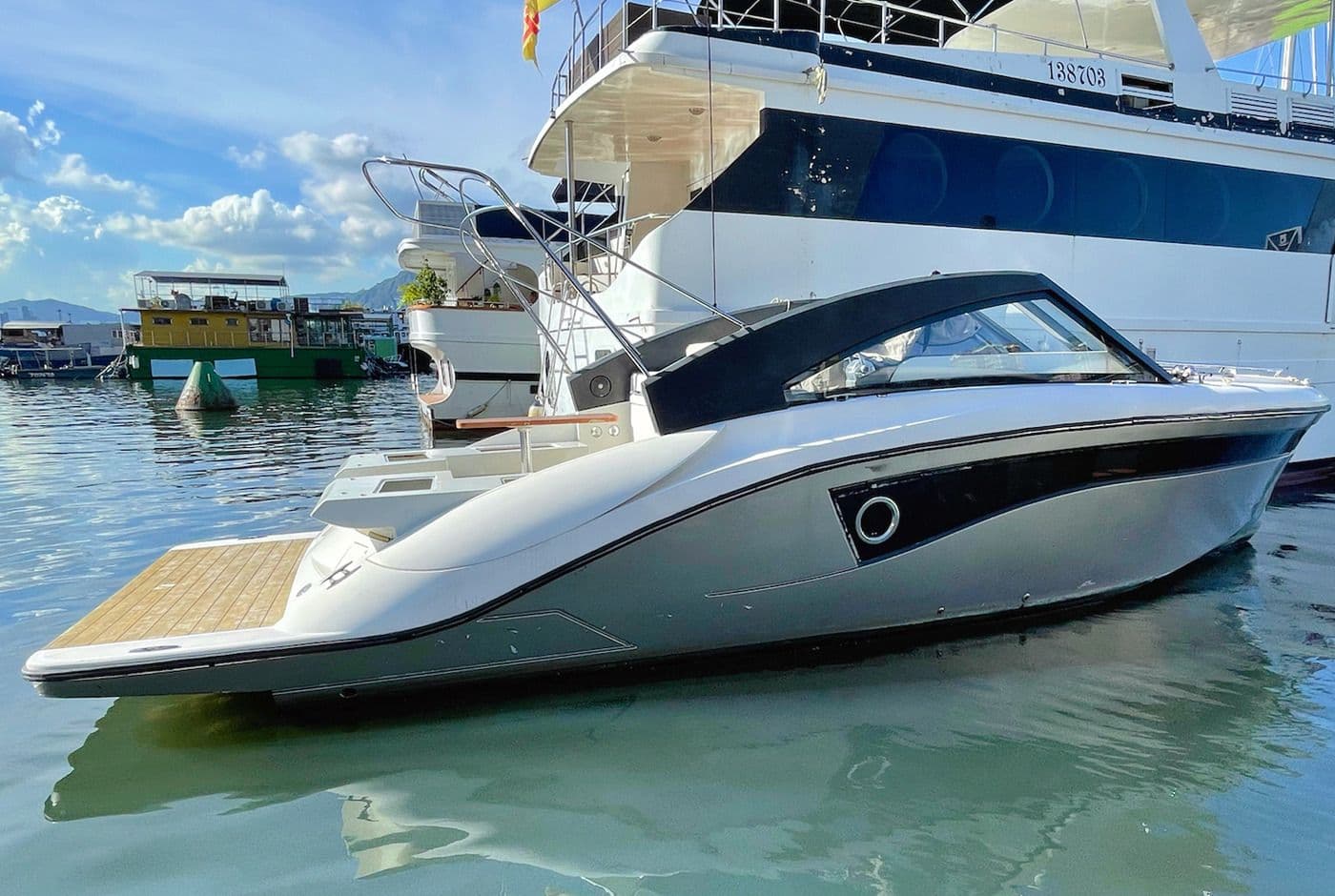
Asking PriceHK$680,000
Luxury Cruiser / 豪華遊艇 · 31.7 ft · 9.66 m · China
2014 Wave 30
2014· China
Typhoon Season · Hong Kong
What should a yacht owner do before a typhoon? A four-stage practical checklist — T-72h, T-24h, Signal No. 8, and the 48 hours after — with HKO signal definitions and official berthing sources.
What a yacht owner needs to do before a typhoon breaks into four time points: within 72 hours of the Observatory forecasting an approaching tropical cyclone, check mooring lines, fenders and the bilge system; within 24 hours, stow covers and canopies, secure loose deck items and photograph everything for the record; once Signal No. 8 or above is hoisted, do not go down to the boat — follow your club's announcements; within 48 hours of the signal being lowered, go back and carry out a visual inspection of the hull, the electrics and machinery, and the lines. These four stages are not a single fixed list but a rhythm — the closer the storm, the more urgent the action. Below, each stage is set out item by item, with source links to the Observatory's signal definitions, Marine Department typhoon shelter information and publicly available club advice.
Want the real numbers for your case?Tell us your situation and we will go through it point by point, based on your boat and your timeline.
WhatsApp EnquiryIn the early stages of an approaching tropical cyclone, the Hong Kong Observatory progressively updates track and intensity forecasts through its Tropical Cyclone Warning System. No signal is up yet at this stage, but this is the window in which an owner can act early:
Swipe to see the full table
| Check | What to do |
|---|---|
| Monitor the Observatory's tropical cyclone updates | Follow the track and intensity forecasts on the HKO Tropical Cyclone page |
| Mooring lines and fenders | Check for wear and ageing, and whether the length is enough to cope with a rapid rise in water level |
| Bilge system | Confirm the bilge pump is working and free of blockages |
| Fittings on the hull | Check aerials, radar domes, flagstaffs and other exposed fittings for any risk of working loose |
The Royal Hong Kong Yacht Club's typhoon advice page likewise lists mooring lines, covers and the bilge pump among the items to check before a storm (RHKYC Typhoon Advice) — and this is not only for RHKYC members, it is the standard baseline across the industry.
Once the forecast suggests Signal No. 3 or above may go up within 24 hours, the pace has to pick up:
The Observatory's tropical cyclone warning signals have clear wind speed definitions: Signal No. 3 means sustained winds of 41–62 km/h; Signal No. 8 means sustained winds of 63–117 km/h (HKO reference for Signals No. 3 and No. 8; HKO tropical cyclone classification). Once Signal No. 8 or above is formally hoisted, the principle is simple: personal safety comes before damage to the boat.
The Aberdeen Boat Club puts it bluntly in its typhoon readiness notes: you must come down and prepare your boat before Signal No. 3, because once a signal is hoisted club staff will not board vessels to clear decks — the responsibility rests with the owner (Aberdeen Boat Club: Typhoon Readiness). In other words, once a signal is up you should not be heading down to the pier to "sort out a few more things" — all preparation should be finished at T-24h or earlier.
The Marine Department's typhoon shelter and mooring information is the official resource to consult at this stage (Marine Department typhoon shelter information), but actual pier and club closures, and when access reopens, are governed by each club's or marina's own live announcements.
Once the signal is lowered it does not mean it is immediately safe — there is no single published safe time point for returning to the pier after a signal is cancelled. We suggest following your own club's or marina's reopening announcement, or asking them directly. Once you have confirmed it is safe, aim to complete the following checks within 48 hours:
Swipe to see the full table
| Area | What to check |
|---|---|
| Lines / fendering | Excessive wear or slack on mooring lines; fenders displaced or damaged |
| Hull | New scrapes or impact marks, especially any cracks below the waterline |
| Bilge / electrics | Abnormal water ingress in the bilge, bilge pump working normally; battery and electrical systems checked for moisture |
| Engine | Run the engine briefly and listen for unusual noise or look for oil leaks |
Beyond moisture in the batteries and electrical system, Hong Kong's typhoon shelter waters are relatively enclosed and lower in salinity, which also accelerates galvanic corrosion of metal components. How a surveyor checks for galvanic corrosion is set out in detail in our complete guide to buying a second-hand yacht, and the same logic applies to the post-storm mechanical and electrical check.
Want the real numbers for your case?Tell us your situation and we will go through it point by point, based on your boat and your timeline.
WhatsApp EnquiryFor berths around Marina Cove and Pak Sha Wan in Sai Kung, the specific closure arrangements during a storm, the reopening timetable and how the marina notifies owners all depend on the individual club, so we would suggest owners ask their club directly or follow its announcements. For the wider picture on Sai Kung berthing systems and how memberships or berths transfer with a boat, see our Sai Kung berthing reality guide. If your boat is currently berthed around Sai Kung and you would like someone alongside you for the pre- and post-storm checks, get in touch.
In the following situations, go straight to a surveyor or a marine engineer rather than judging it yourself:
What you can reasonably do yourself is the non-invasive work: visual inspection, photographing for the record, and surface checks on lines and fenders. Anything involving hull structure or the inside of a mechanical or electrical system should go to a professional — it saves both time and risk.
Want the real numbers for your case?Tell us your situation and we will go through it point by point, based on your boat and your timeline.
WhatsApp EnquiryIn stock · from our own listings
2014· China
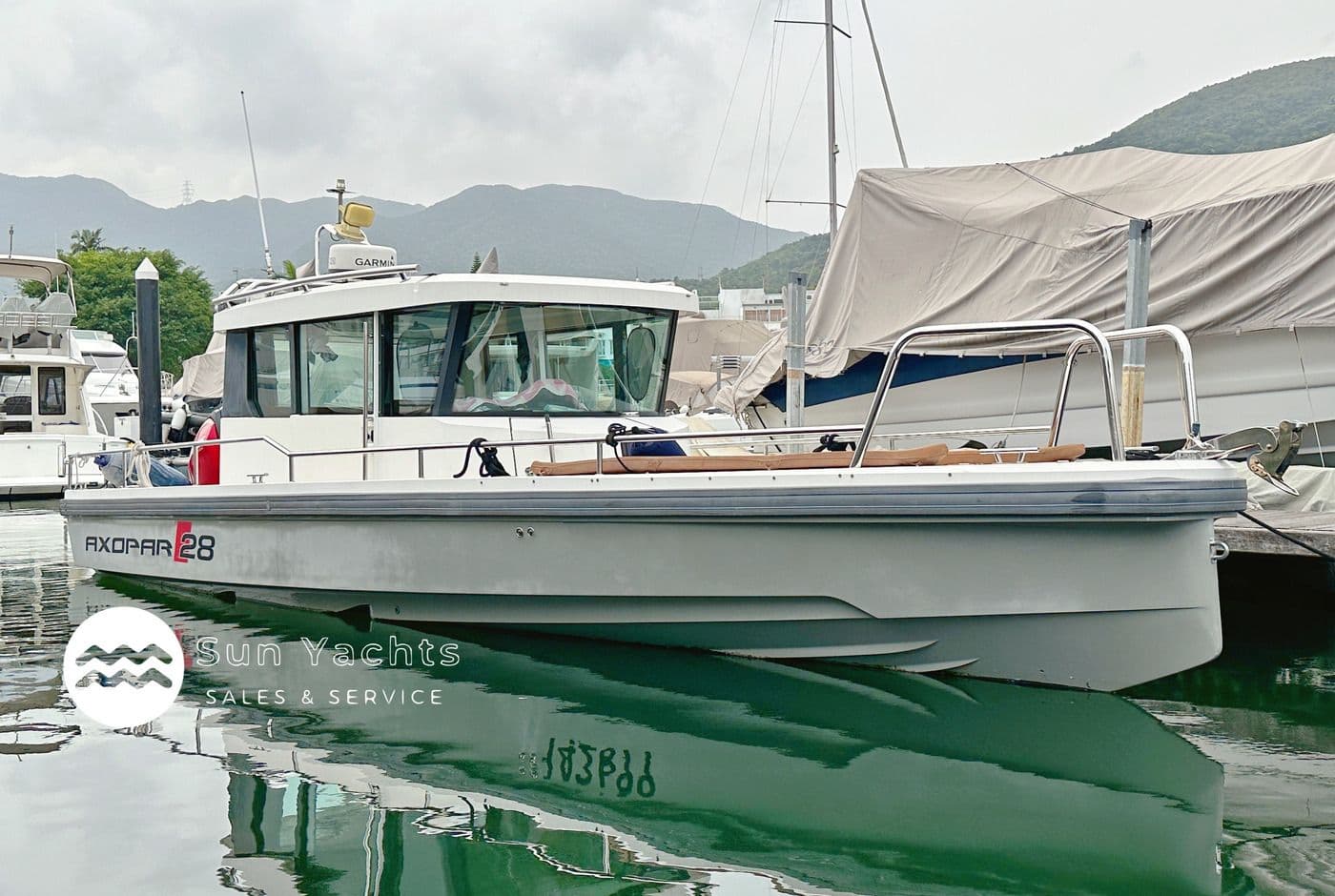
2017· Finland
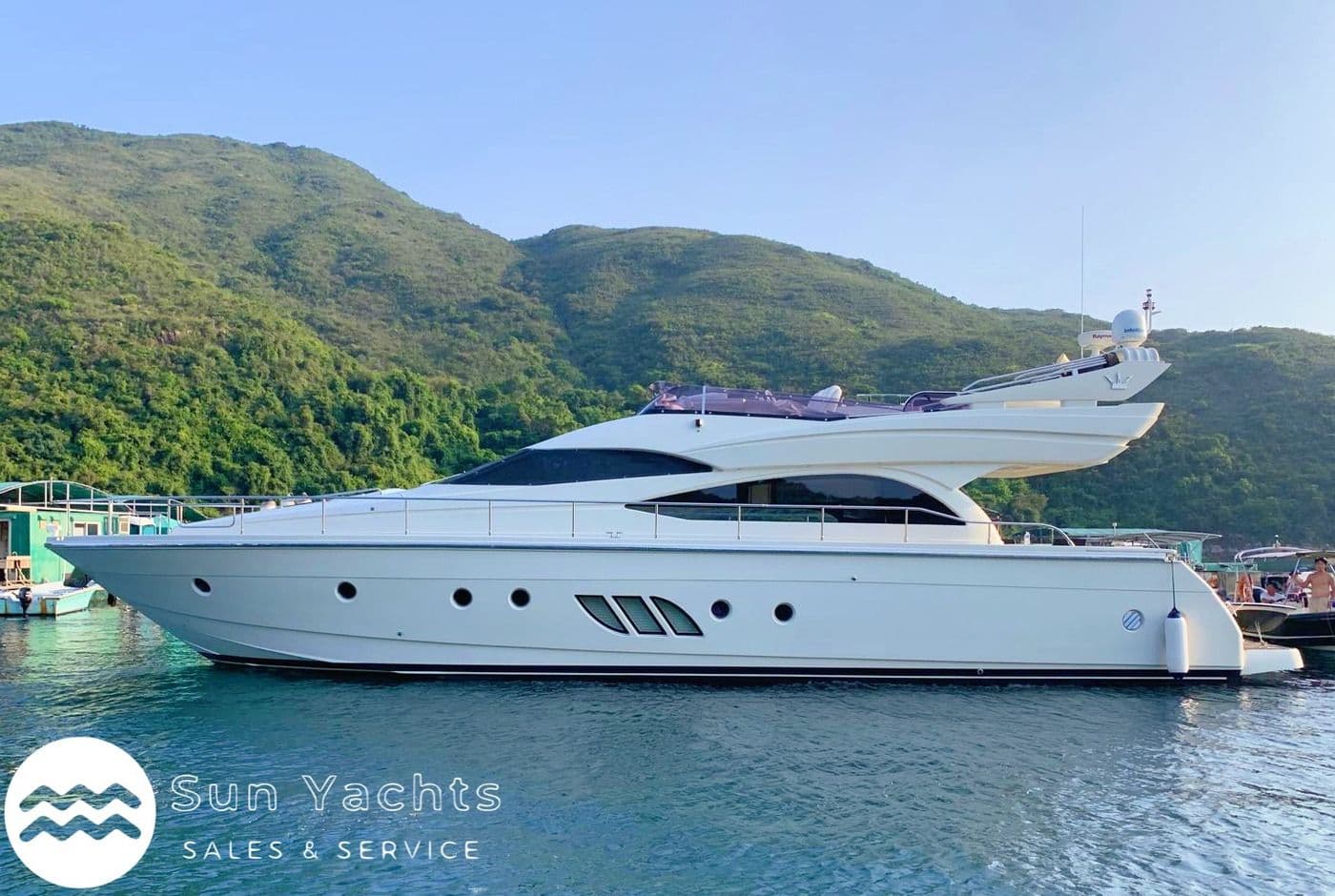
2012· Italy
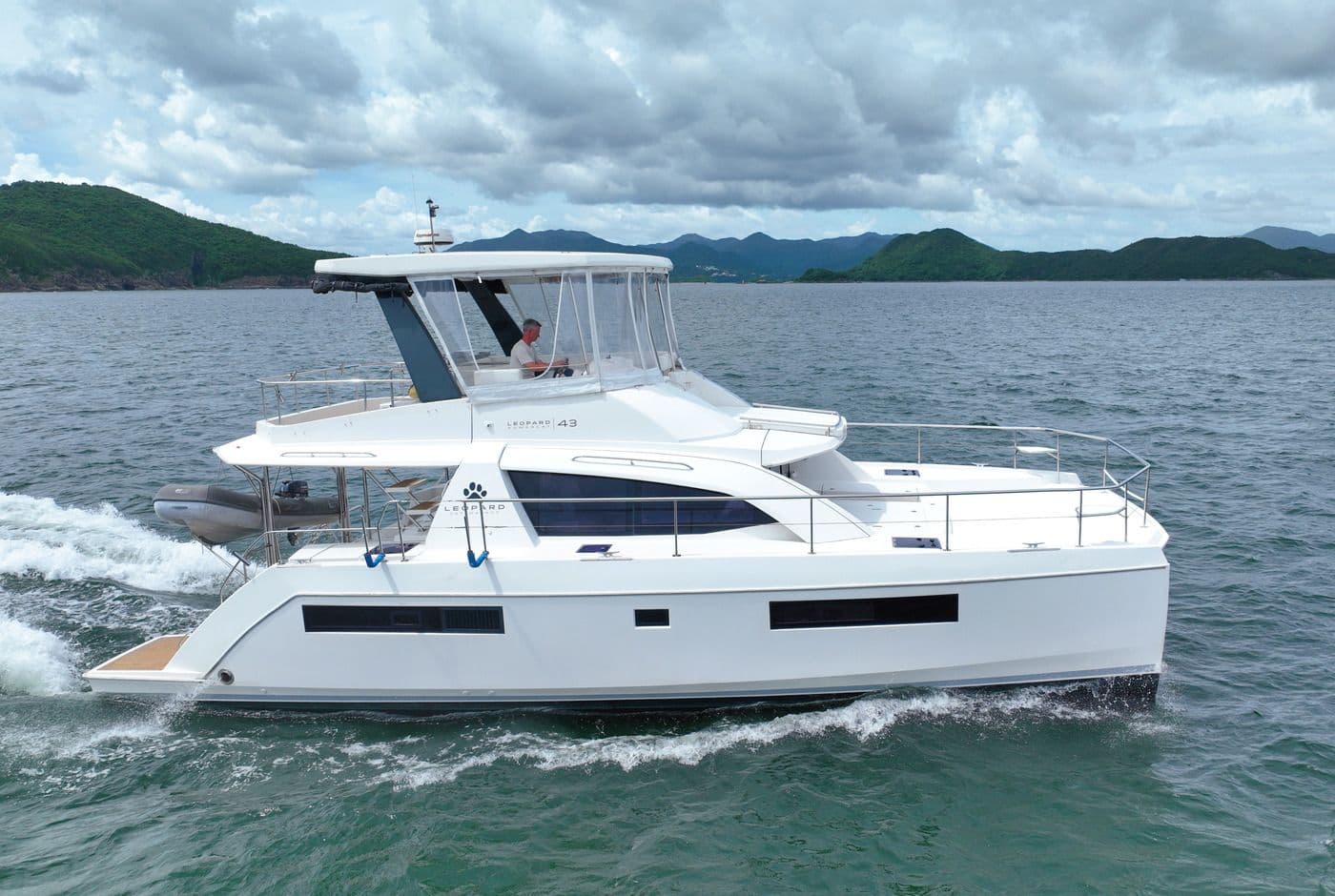
2018· South Africa
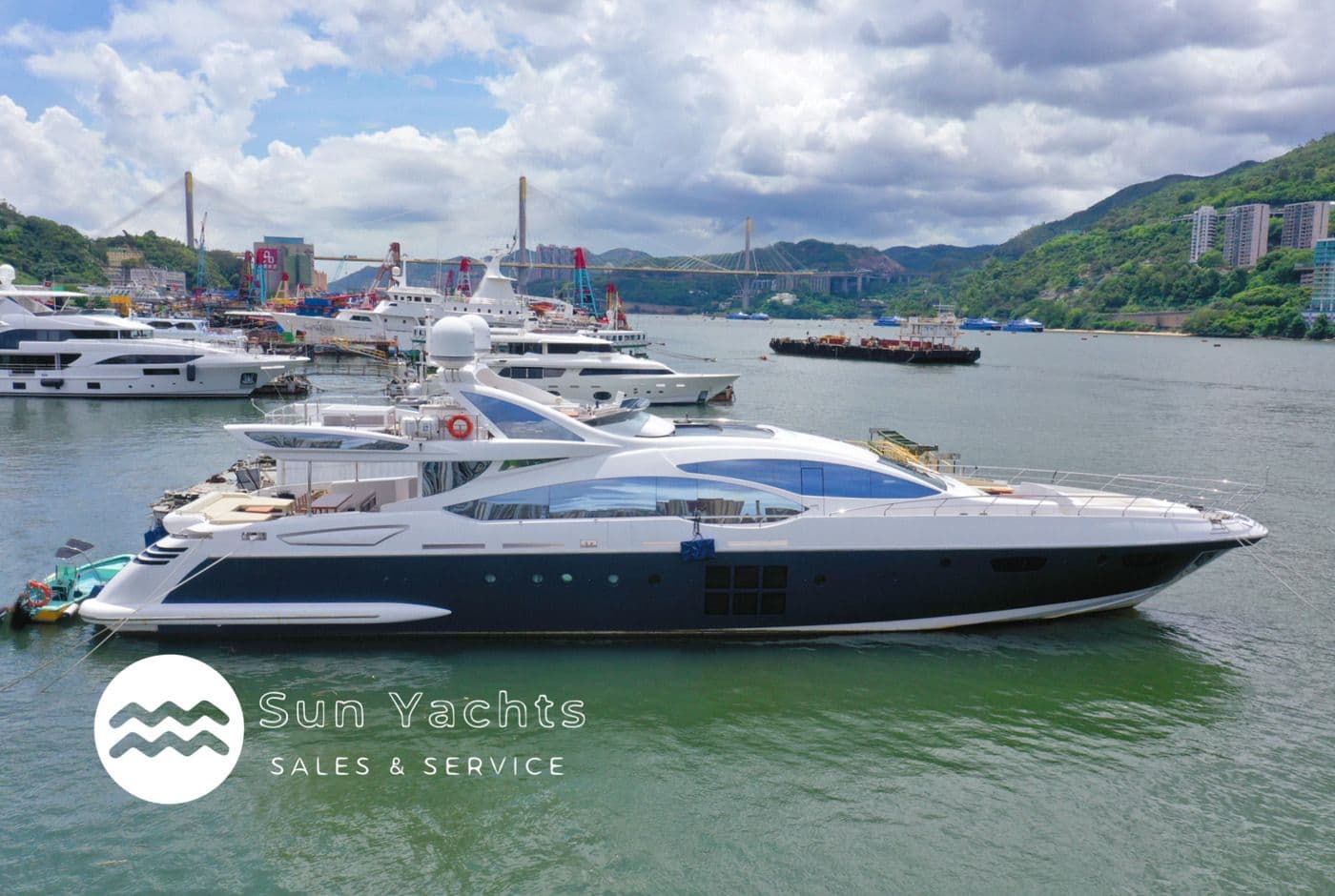
2013· Italy
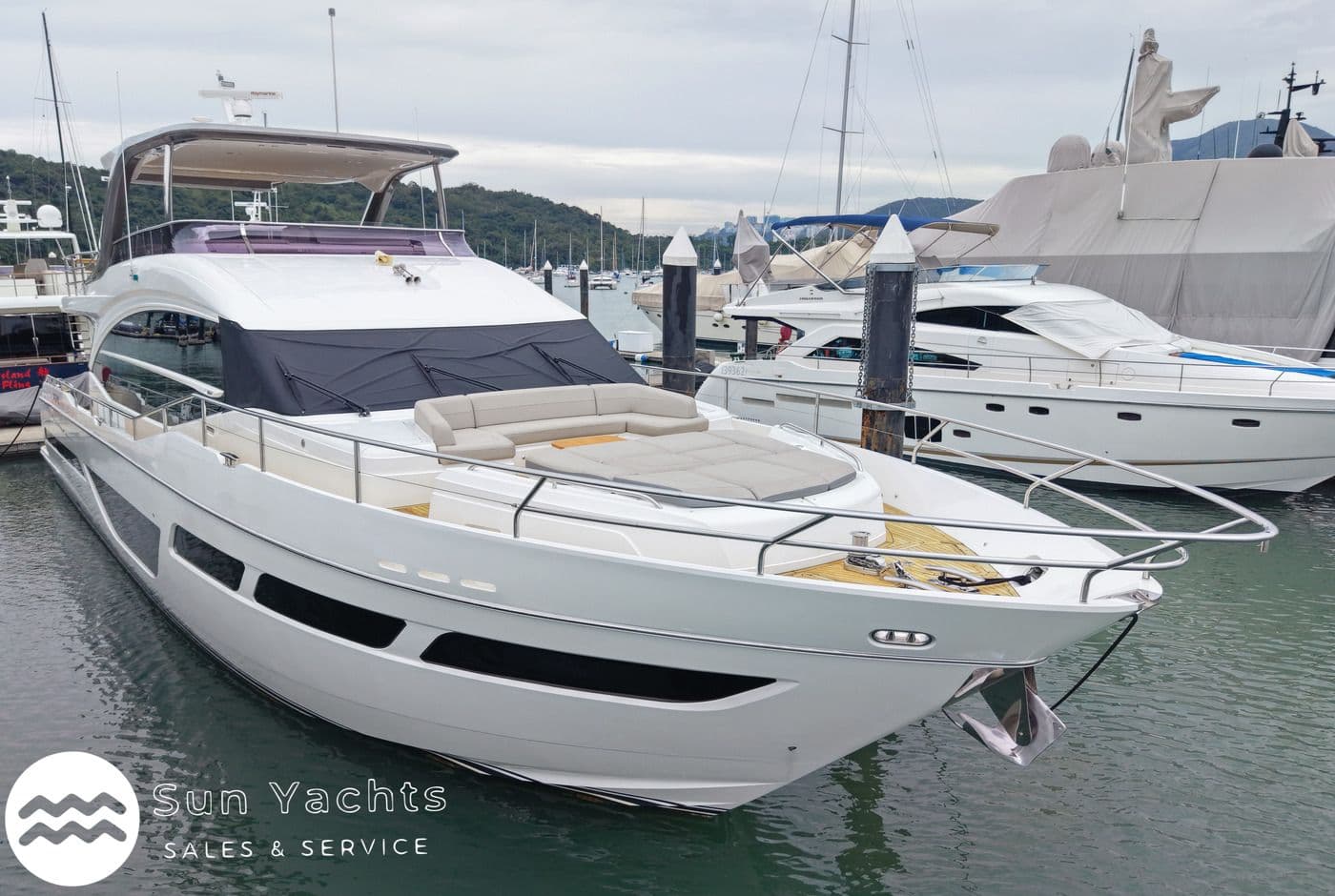
2020· UK
Prices are as at the time of enquiry; specs and photos on the boat page prevail. Sold boats are removed.
View all current listingsFAQ — Common Questions
Talk To Us
Lines, fenders, bilge, electrics. Tell us where your boat is berthed and we will arrange the pre-storm check and the follow-up afterwards.