
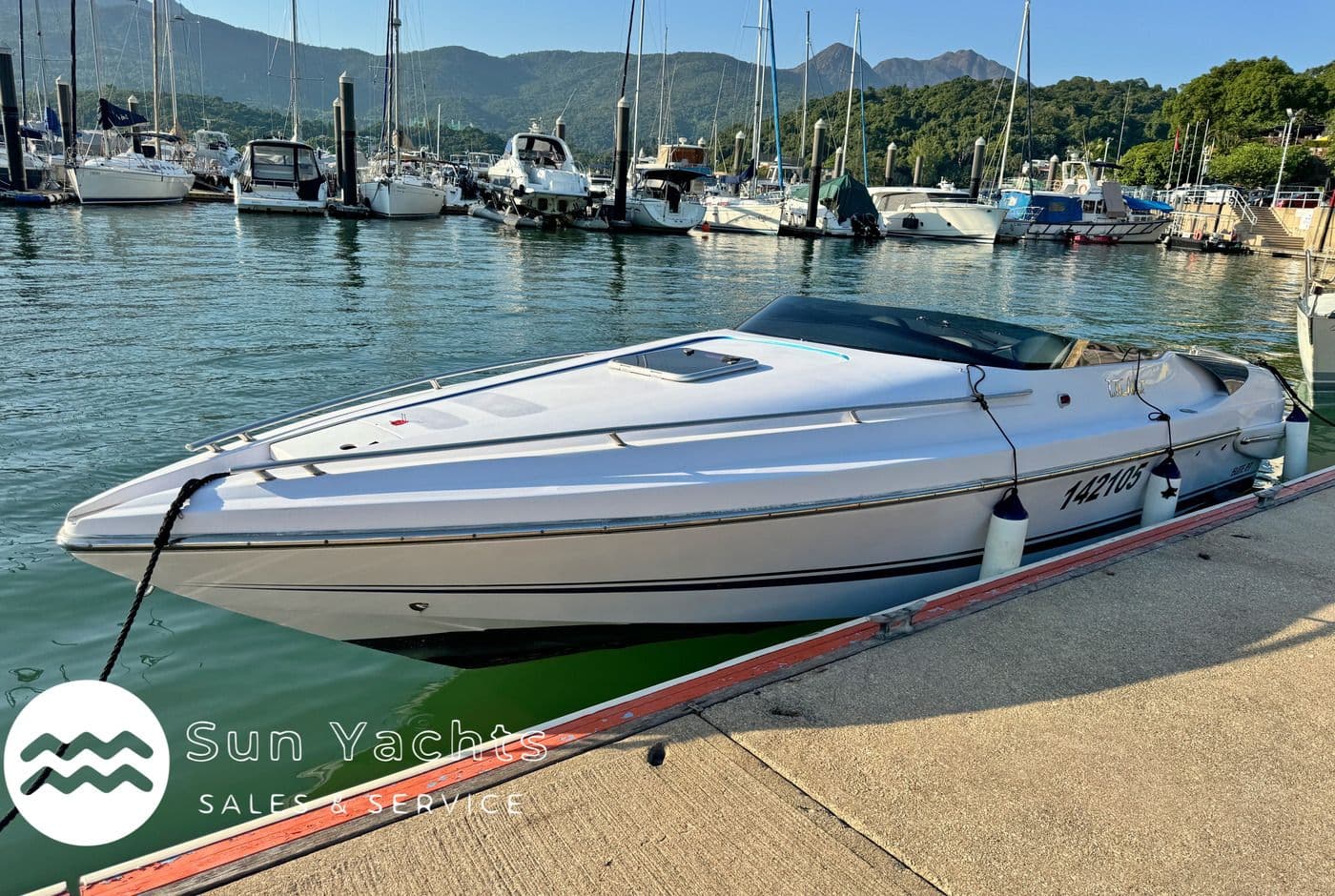
Asking PriceHK$480,000
Open Cruiser · 26.9 ft · 8.20 m · Italy
2016 Tullio Abbate Elite 27
2016· Italy
Engine Hours · Buyer's Guide
How many engine hours is normal on a used yacht? Real hours from 64 boats in stock in Hong Kong by age, length and fuel, plus why very low hours can mislead.
The short answer: across the 64 boats in Sun Yachts' current stock that list engine hours (as of 27 Oct 2026), the median is about 460 hours, and median use is about 43 hours a year. Under 300 hours is on the low side; over 1,000 hours is on the high side (15 of the 64 are there). But hours are only one clue: a boat that has sat unused for years can be more trouble than a well-maintained boat that gets used regularly.
Want the real numbers for your case?Tell us your situation and we will go through it point by point, based on your boat and your timeline.
WhatsApp EnquiryEngine hours are the running total of time the engine has actually been turning, like the mileage on a car. All figures below come from the Sun Yachts listings data (as of 27 Oct 2026). Of 65 boats in stock, 64 list hours (one 2014 Beneteau Oceanis 48 does not). 52 of those are exact figures; the other 12 give only a range (for example "8xx Hrs").
Swipe to see the full table
| Hours band | Boats (of 64) | Share |
|---|---|---|
| Under 250 | 9 | 14% |
| 250-499 | 24 | 38% |
| 500-999 | 16 | 25% |
| 1,000 or more | 15 | 23% |
Source: Sun Yachts stock listings (as of 27 Oct 2026).
Among the 52 exact figures, the lowest is 28 hours, the highest 2,000 and the median 457.5. The 12 range-only boats each fall cleanly into one band ("8xx" is always 800-899), so the band table uses all 64. The median, minimum and maximum use only the 52 exact figures.
About the sample: hours are the numbers shown in each listing. Sun Yachts has not verified them boat by boat against the engine computer or gauges, so everything here describes stock listings. It is not a verified condition finding and it does not describe the whole Hong Kong market. Also, for twin-engine boats the listings do not say whether the figure is one engine or both added together; we use the number as printed.
Swipe to see the full table
| Model year | Boats | Exact figures | Range (hours) | Median | <250 | 250-499 | 500-999 | 1,000+ |
|---|---|---|---|---|---|---|---|---|
| 2009 or earlier | 21 | 16 | 250-2,000 | 1,025 | 0 | 3 | 6 | 12 |
| 2010-2014 | 14 | 13 | 180-1,520 | 450 | 2 | 5 | 5 | 2 |
| 2015-2019 | 17 | 15 | 60-780 | 400 | 3 | 10 | 4 | 0 |
| 2020 or later | 12 | 8 | 28-1,086 | 240 | 4 | 6 | 1 | 1 |
Source: Sun Yachts stock listings (as of 27 Oct 2026), the 64 boats that list hours. Medians use exact figures only; the last four columns count boats in each band.
What stands out:
Swipe to see the full table
| Length overall (feet, as listed) | Boats | Exact figures | Range (hours) | Median | <250 | 250-499 | 500-999 | 1,000+ |
|---|---|---|---|---|---|---|---|---|
| Under 40 ft | 25 | 21 | 28-1,086 | 260 | 8 | 11 | 4 | 2 |
| 40 to under 55 ft | 21 | 17 | 155-1,500 | 465 | 1 | 10 | 5 | 5 |
| 55 to under 75 ft | 12 | 9 | 450-2,000 | 1,360 | 0 | 1 | 4 | 7 |
| 75 ft and over | 5 | 4 | 323-950 | 645 | 0 | 2 | 3 | 0 |
Source: Sun Yachts stock listings (as of 27 Oct 2026). Length is from the LOA field; where a listing gives metres, 1 m = 3.28 ft. One boat (the 1984 Supercraft) is left out of the length groups, so the four groups total 63 boats.
The broad pattern: boats of 55-75 ft have the highest hours. Seven of the 12 are over 1,000 hours, with a median of 1,360. For example, a 2006 Fairline Squadron 58 (2 x Caterpillar Diesel 800Hp) lists 1360 Hrs at HK$2,580,000, and a 2014 Sunseeker Manhattan 63 (2 x MAN Diesel 1000HP) lists 1520 Hrs at HK$9,280,000. The 75 ft and over group has only 5 boats (4 with exact hours), so treat it as an anecdote, not a trend.
One caveat: many of the larger boats are also older, so "big" and "old" are mixed together in this sample and cannot be separated.
To see which boats fit your budget, browse the price pages: under HK$1 million, HK$1-3 million, HK$3-6 million and over HK$6 million, then check the hours on each boat.
Total hours alone mislead: 600 hours on a 20-year-old boat and 600 on a 5-year-old boat are very different stories. For the 52 boats with exact hours we estimated average annual use as hours / (2026 minus model year), with age counted as at least 1 year. It uses model year rather than build date, so it is rough.
Swipe to see the full table
| Measure | Value |
|---|---|
| Sample | 52 boats (exact hours only) |
| Median annual use | about 43 hours |
| Interquartile range (Q1-Q3) | about 28-66 hours |
| Lowest | about 6 hours/year (2016 Tullio Abbate Elite 27, 60 Hrs) |
| Highest | about 217 hours/year (2021 Nautique Super Air G23 (Diesel), 1086 Hrs) |
Source: Sun Yachts stock listings (as of 27 Oct 2026).
So a typical boat in stock runs about 30-70 hours a year: three to six hours a month, a handful of outings. Few owners use their boats daily. Annual use depends on location, weather and the owner's habits, and there is no universal benchmark, so treat this as a description of this batch of stock, not a market average.
Median annual use by model-year group: about 50 hours for 2009 or earlier, 33 for 2010-2014, 41 for 2015-2019 and 45 for 2020 or later. The gaps are small, with no clear "older boats get used more" trend.
A few worked examples:
For more Absolute, Fairline and Princess boats with their hours and asking prices, see the Absolute brand page, Fairline brand page and Princess brand page. Related buyer guides: Fairline Squadron guide, Absolute buyer's guide and Princess buyer's guide.
First, a clear caveat. Of the 64 boats with hours, 13 are petrol or outboard (Mercury, Suzuki, Evinrude, MerCruiser, Ilmor and similar) and 51 are diesel. Only 29 listings say "Diesel" outright and 5 say "Petrol" or "GDI"; the rest are classified from the engine brand and model (for example Volvo IPS, Caterpillar, MAN and MTU as diesel; Mercury V8 and outboards as petrol). That classification has not been checked against manufacturer data.
Swipe to see the full table
| Diesel (51 boats) | Petrol / outboard (13 boats) | |
|---|---|---|
| Exact figures | 41 | 11 |
| Hours range | 60-2,000 | 28-620 |
| Median hours | 590 | 245 |
| Median annual use | about 48 hours | about 35 hours |
| Over 1,000 hours | 15 boats | 0 boats |
Source: Sun Yachts stock listings (as of 27 Oct 2026).
For how the two engine types differ, see our yacht engine types guide.
This is not a fair comparison. Six of the petrol boats are 2021 or newer runabouts and sports boats (a 2022 Mastercraft NXT22 lists 179 Hrs; a 2022 Mastercraft NXT24 lists 328 Hrs). They are newer and smaller, so low hours are no surprise. The fair reading is: no petrol boat in this stock is over 1,000 hours, but that does not show petrol engines last longer or shorter.
For general context, Discover Boating (republished by boattest.com, 2023) says a typical marine petrol engine needs a major overhaul at around 1,500 hours and a diesel at around 5,000, with well-kept diesels reaching about 8,000. Sources, including surveyors, differ widely, and real life depends on make, maintenance and load, so these are directions, not guarantees. In practice:
Low hours do not mean good condition. Engines are machines, and they deteriorate when they sit. Hong Kong's hot, humid, salty environment is hard on a boat that stays on its berth unused. Common risks, as widely reported by marine media and owner communities (there are no consolidated statistics):
In this batch, 8 boats run under 20 hours a year, which is 15% of the 52 with exact hours:
Swipe to see the full table
| Boat | Hours | Year | Approx. hours/year | Asking price |
|---|---|---|---|---|
| 2016 Tullio Abbate Elite 27 (Inboard Mercruiser Diesel 370Hp) | 60 Hrs | 2016 | 6 | HK$480,000 |
| 2010 Carver 360 Sport Sedan (2x MerCruiser 375Hp) | 260 Hrs | 2010 | about 16 | HK$1,250,000 |
| 2008 Beneteau Oceanis 40 (1 x Yanmar Diesel 40 HP) | 260 Hrs | 2008 | about 14 | HK$1,280,000 |
| 2011 Princess 42 (2 x Volvo Penta Diesel 435 HP) | 280 Hrs | 2011 | about 19 | HK$3,000,000 |
Source: Sun Yachts stock listings (as of 27 Oct 2026). Only 4 of the 8 are shown; the other 4 are also under 20 hours a year.
This is not to say these boats have a problem. It is a reminder that very low use is a reason to look harder at the service records and to commission a survey, because low hours can mean a cherished, well-kept boat or one that sat for years. A 2011 Princess 42 with only 280 hours in 15 years has averaged about 19 hours a year. Before buying, ask whether the engines were started regularly, and whether oil changes and corrosion protection were done during idle periods.
The reverse also holds: a high-hours boat with a complete service history is often a safer bet than a low-hours boat that was neglected. A 2018 Leopard Powercat 43 (2 x Yanmar 320Hp Diesel) lists 560 Hrs, about 70 hours a year. That is active use, and with a full service file it may be a better bet than a 250-hour boat that was never serviced.
Want the real numbers for your case?Tell us your situation and we will go through it point by point, based on your boat and your timeline.
WhatsApp EnquiryIn stock · from our own listings
2016· Italy
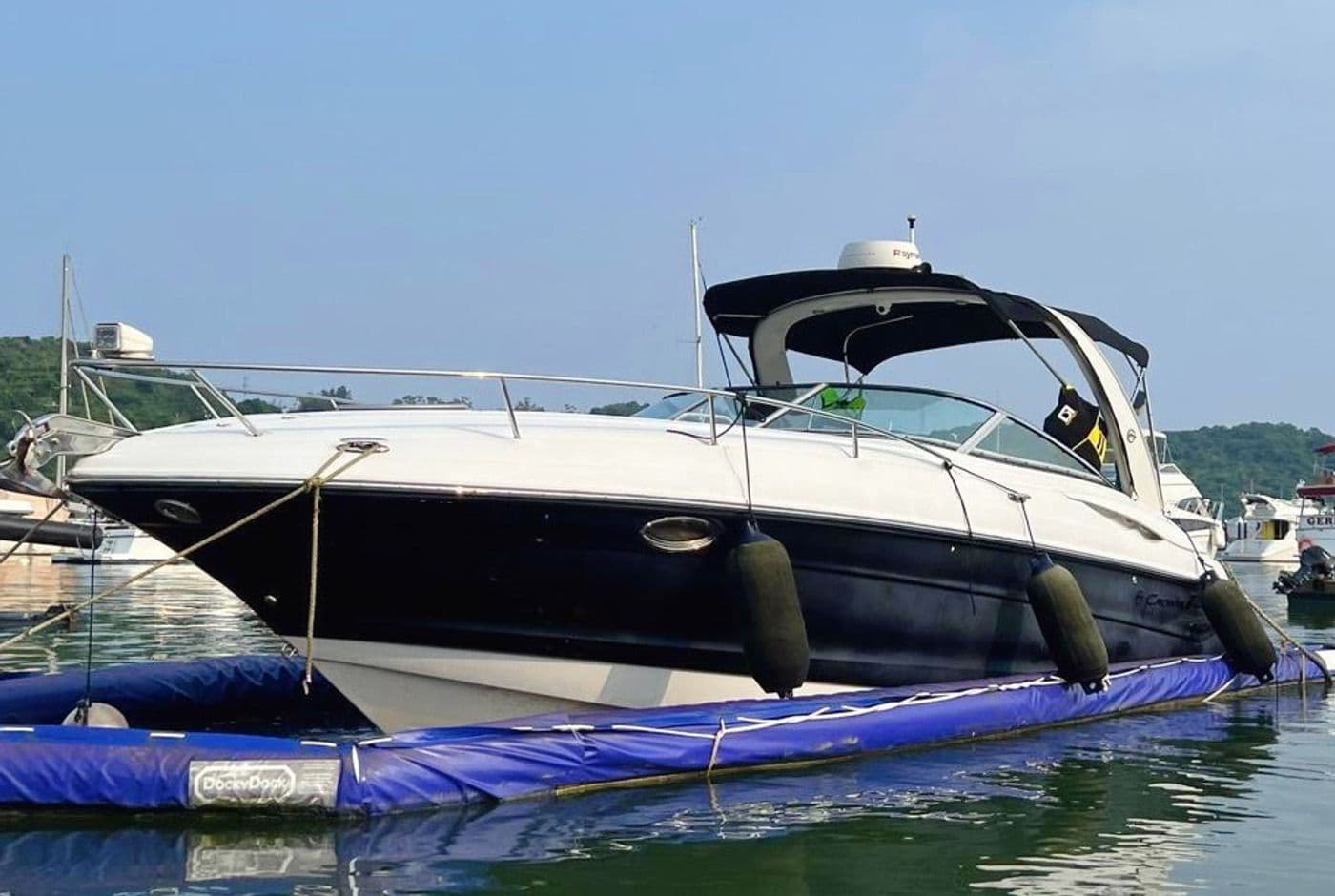
2008· USA
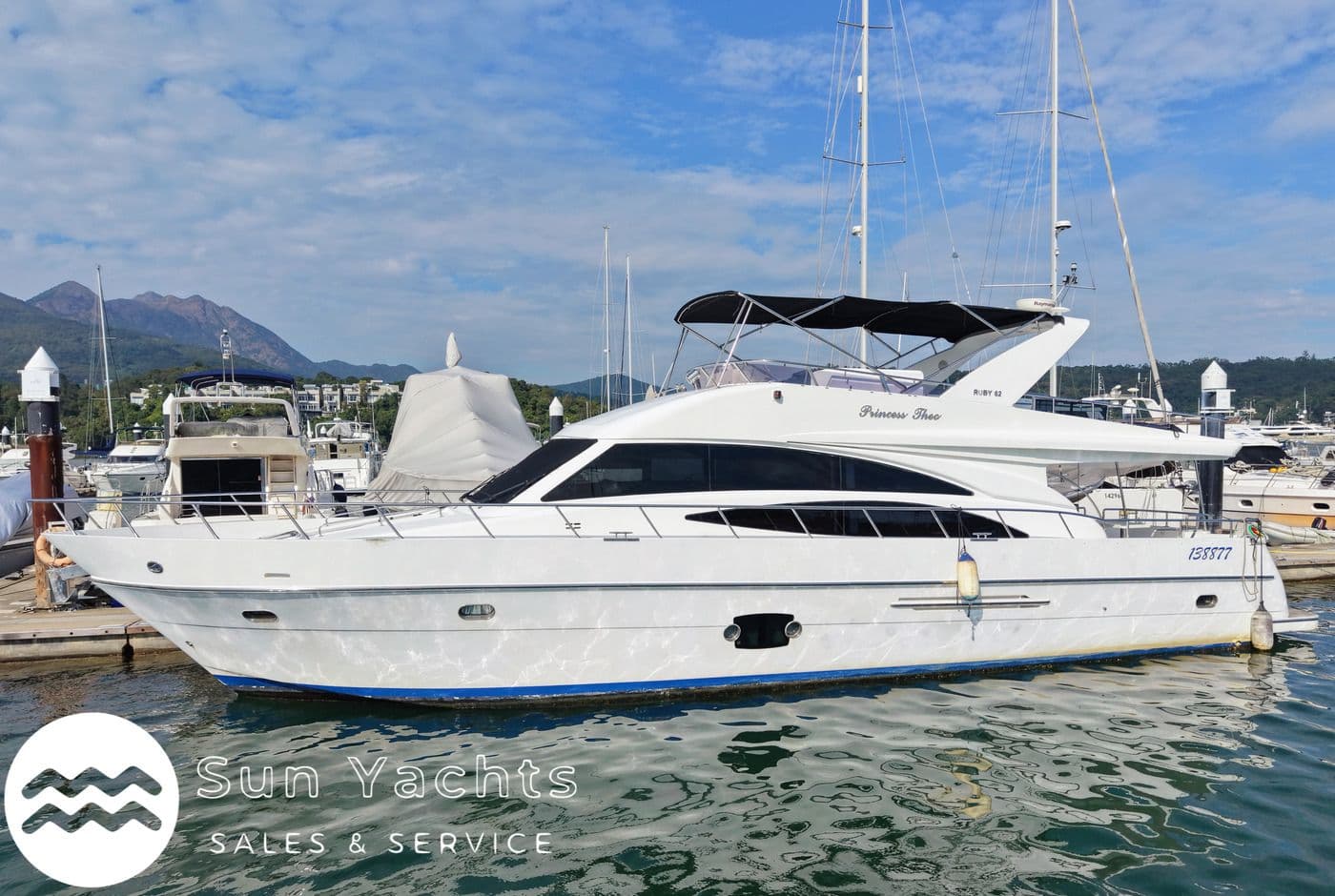
2008· Taiwan
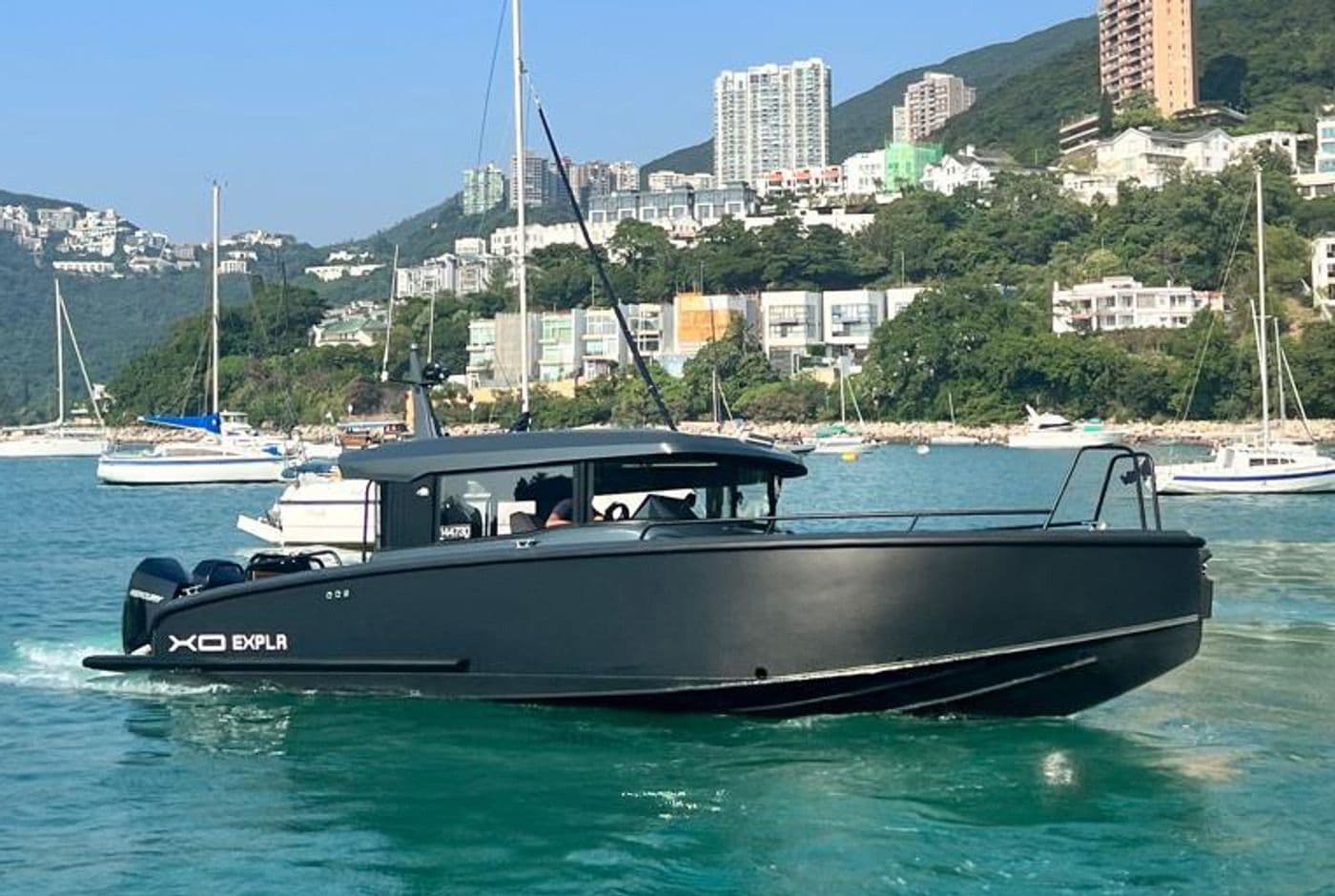
2023· Poland
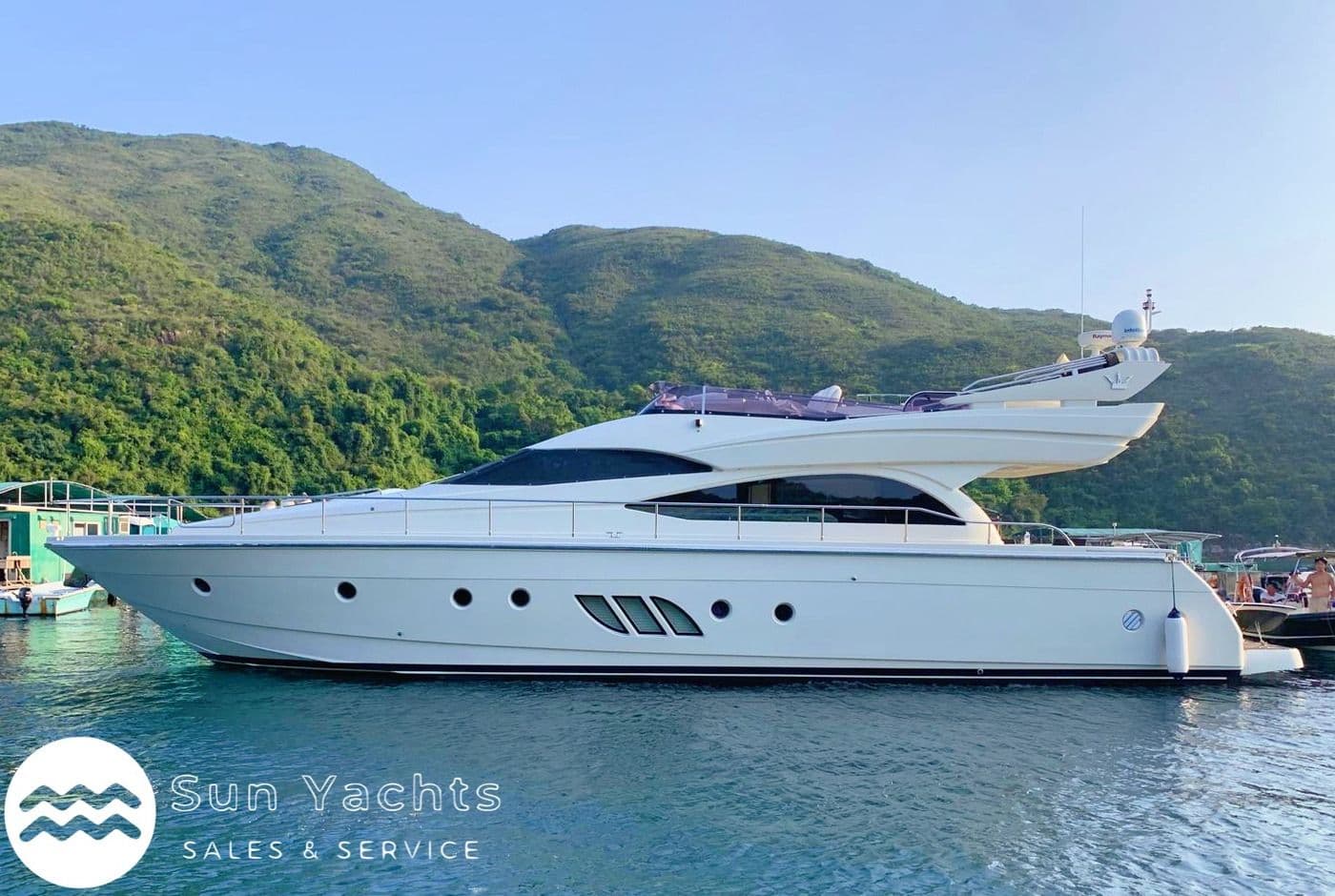
2012· Italy
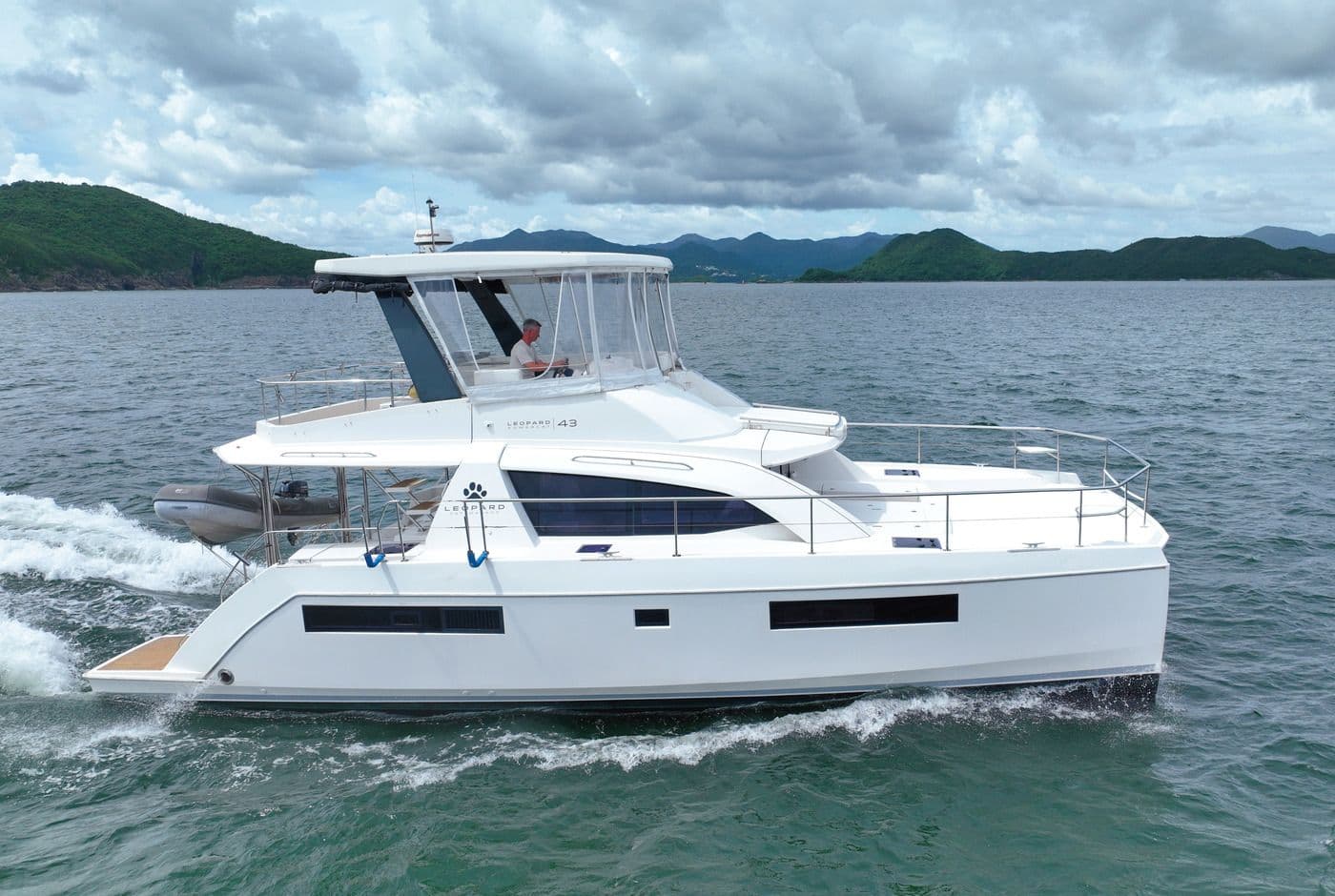
2018· South Africa
Prices are as at the time of enquiry; specs and photos on the boat page prevail. Sold boats are removed.
View all current listingsBoats in stock by budget and brand:HK$1M–3M yachts (23)HK$3M–6M yachts (16)
FAQ — Common Questions
Talk To Us
Want the actual hour readings and service records for a boat in stock? WhatsApp us and we will go through it with you.
Sources