
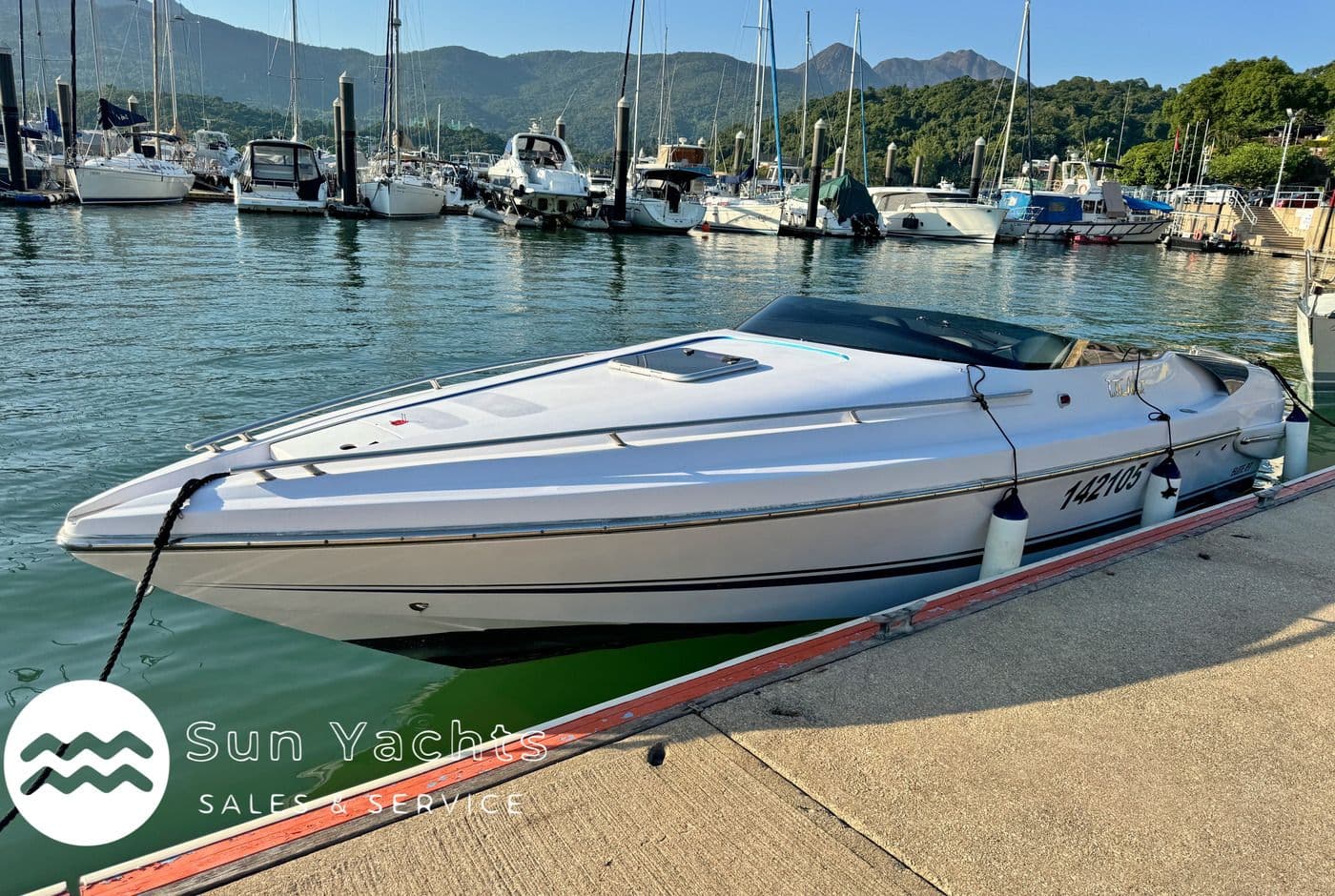
Asking PriceHK$480,000
Open Cruiser · 26.9 ft · 8.20 m · Italy
2016 Tullio Abbate Elite 27
2016· Italy
Survey · Pre-Purchase Checklist
What happens on survey day when buying a used yacht in Hong Kong: haul-out, engine oil analysis, sea trial, a printable checklist and how to negotiate.
A pre-purchase survey on a used yacht in Hong Kong usually runs in three stages: (1) haul-out, to inspect the hull, propellers, rudders and underwater fittings; (2) an on-board inspection, including a cold start and engine oil samples; (3) a sea trial, to check wide-open-throttle revs, temperatures and handling. The report then ranks the findings as immediate, short-term or monitor-only, and you use that ranking to negotiate a lower price or ask the seller to repair. Allow a full day: Hong Kong surveyor MSES says a 36 ft yacht takes about 8 hours, including haul-out and a short sea trial.
Want the real numbers for your case?Tell us your situation and we will go through it point by point, based on your boat and your timeline.
WhatsApp EnquirySurvey fees and the full five-step buying process (survey, ownership search, transfer, berth, insurance) are covered in the complete guide to buying a second-hand yacht in Hong Kong, so we won't repeat them. This article goes one level deeper: what you will see standing at the boat on survey day, what the surveyor looks at, how to read the report, and how to negotiate once problems turn up.
Swipe to see the full table
| Stage (indicative) | Where | What happens | What you do |
|---|---|---|---|
| Morning | Berth / marina | Pre-start checks, engine room, engine and gearbox oil samples, electrics and safety gear | Be there; ask what the surveyor is looking at and don't rush them |
| Midday | Boatyard / haul-out | Boat lifted out, hull cleaned, hull inspected, moisture readings, tap test, shafts and propellers, rudders, seacocks | See the underwater hull yourself; take photos |
| Afternoon | At sea | Sea trial: warm-up, step-by-step acceleration, wide-open throttle, handling, reverse, autopilot, radar and navigation | Drive for a while yourself and feel the vibration and noise |
| Wrap-up | Berth | Surveyor gives a verbal summary; written report follows | Ask directly: "What worries you most?" |
This timing is indicative only. The real schedule depends on boat size, yard availability and weather, and there is no fixed duration for each stage. If it rains all day or the sea is rough, the sea trial may have to move, so leave some slack and don't line the survey up tightly against your transfer or insurance deadlines.
Half of survey-day efficiency comes down to preparation.
When choosing a surveyor, ask whether they have surveyed your type of boat (IPS drives or conventional shafts; GRP or aluminium) and ask to see a sample report. For survey fees and how to pick a firm, see the buying guide above.
A yacht can look perfect above the waterline while the real history is underneath. That's why a survey almost always includes a haul-out: the boat is lifted clear of the water by crane or slipway and set on stands.
What the surveyor checks once the boat is out:
Buyer tip: go down and look yourself. Stand beside the surveyor at each problem spot and hear whether they call it "surface" or "serious". Take photos, because you will use them when negotiating.
Once the boat is back in the water (or before the haul-out, depending on the yard schedule), the surveyor goes aboard for mechanical and electrical checks.
Many surveyors ask to start the engines before they have warmed up, because a cold engine shows problems most readily: slow starting, white or blue smoke, odd noises, warning lights that stay on. If the seller "warmed it up for you" the evening before, insist on a cold start next time, especially on an older boat.
This is the most valuable item on survey day, and the one most buyers don't think to ask for: samples of engine oil and gearbox oil (and hydraulic oil where relevant) sent to a lab.
Engine hours only mean something alongside the boat's age (see our engine hours guide). The three boats below show very different average hours per year. But hour meters can be replaced or reset, so check the number against service records and oil results rather than trusting it alone.
The sea trial is usually the main event of the day, normally run out of the typhoon shelter into more open water. A US survey firm suggests at least an hour in open water for a sea trial, longer for bigger boats (source). MSES's survey package includes a "short sea trial" (source), so when you book, ask how long the trial will run.
Typical sea trial sequence:
What buyers should do on the trial: take the helm yourself for a while, ask the surveyor "what feels wrong to you?", and watch how the seller or broker reacts. Don't relax just because the crew is being very helpful.
Print this and tick items off on survey day. Red flags are prompts only; the final judgement rests with the surveyor and the report.
Swipe to see the full table
| Area | What to check | Common red flags | Usually classed as |
|---|---|---|---|
| Hull | Moisture scan, tap test, cracks, repair marks | Large areas of high moisture, dull sound, unusually large repainted area | Structural / major |
| Underwater | Antifouling, propellers, shafts, rudders, anodes | Anodes gone, chipped propeller, bent shaft | Short-term / major |
| Seacocks | Operate every valve, clips, hoses | Seized valves, heavy corrosion, cracked hoses | Immediate |
| Engines | Cold start, fluid levels, belts, leaks | Hard starting, blue or white smoke, knocking | Short-term / major |
| Oil samples | Engine and gearbox oil analysis | High metal content, coolant in oil | Major |
| Drive | Shaft seals, pods, gearbox | Water or oil seepage, jerky gear changes | Short-term / major |
| Electrics | Batteries, charging, shore power, generator | Old batteries, scorched wiring, earthing faults | Short-term |
| Fuel / bilge | Tanks, fuel lines, bilge pumps | Perished lines, failed float switch | Immediate / short-term |
| Safety gear | Extinguishers, lifejackets, flares, lights | Expired or missing | Immediate (easy fix) |
| Navigation / electronics | Radar, GPS, VHF, autopilot | Fails underway, outdated software | Monitor / short-term |
| Interior | Mattresses, air conditioning, galley, heads | Water stains, mould smell, leaks | Monitor / short-term |
| Sea trial | WOT, temperatures, handling, vibration | Revs below rating, overheating, play in steering | Short-term / major |
When the report comes depends on the survey firm, so ask when you book. Don't just read it from page one. Go in this order:
Remember: a survey report is not a pass or fail. It is a description of condition. A used boat will almost always have findings. What matters is which are normal ageing, which are hidden risks, and how much it costs to fix them.
Here are three Sun Yachts listings (asking prices and specs as of 27 Oct 2026) to show how survey priorities change with age and size. This is general survey thinking based on the specs only; it does not suggest any of these boats has a problem.
Swipe to see the full table
| 2006 Fairline Squadron 58 | 2015 Prestige 450 | 2007 Vitech 68 | |
|---|---|---|---|
| Asking price (as of 27 Oct 2026) | HK$2,580,000 | HK$3,980,000 | HK$3,280,000 |
| Year | 2006 | 2015 | 2007 |
| Length overall | 58.75 ft / 17.91 m | 41.07 ft / 12.52 m | 67 ft / 20.27 m |
| Engines | 2 x Caterpillar Diesel 800Hp | 2 x VOLVO IPS600 440Hp | 2 x Caterpillar c15 595 HP |
| Engine hours | 1360 Hrs | 330 Hrs | 17xx Hrs |
| Built in | UK | France | Taiwan |
| Age | about 20 years | about 11 years | about 19 years |
| Average hours per year (rough) | about 68 hours | about 30 hours | about 90 hours (taking 17xx as 1,700) |
2006 Fairline Squadron 58 (HK$2,580,000): age is the main issue. On a boat of about 20 years the surveyor will worry most about osmosis and delamination, water in the deck core, fuel tank and fuel line ageing, wiring and the anode system. At 1360 hours, about 68 a year, it has seen active use, so whether engine and gearbox seals and hoses have aged needs oil analysis and the sea trial to confirm. View the boat; more on the model in the Fairline Squadron buying guide.
2015 Prestige 450 (HK$3,980,000): the IPS drive is the focus. Relatively young, 330 hours, so the least obvious "problems". Surveyors usually concentrate on the IPS pods: seals, gear leg oil condition, corrosion protection on the pod housing and the propellers. This kind of drive must be examined properly at haul-out, because underwater problems are the hardest to deduce from the surface. View the boat.
2007 Vitech 68 (HK$3,280,000): big boat, high hours, Taiwan-built. At 17xx hours, with two large Caterpillar c15 engines, oil analysis and a compression test are worth the most. A hull this size also means haul-out costs and yard choice need to be arranged early. The listing says the owner "looked after it very well, with regular waxing" and that "all wear items were replaced, new radar, very well maintained"; those are the seller's descriptions, and you still need service records and survey results to verify them. For what to expect from Taiwan-built yachts, see the Taiwan-built yachts guide. View the boat.
To see more boats by budget: HK$1M to 3M and HK$3M to 6M, or the Fairline brand page. For overall price levels, see the yacht price guide.
The survey's real value is that it lets you negotiate on facts rather than feel.
Step 1: sort the issues into three categories.
Swipe to see the full table
| Category | Examples | Negotiation approach |
|---|---|---|
| A. Immediate safety / regulatory | Failed seacock, expired extinguishers, bilge pump not working | Ask the seller to fix before completion, or deduct the repair cost from the price |
| B. Short-term repairs (within 1 to 2 years) | Anode replacement, ageing batteries, new antifouling | Deduct on the basis of repair quotes, or split the cost |
| C. Major structural / mechanical risk | Widespread water in the hull, abnormal oil results, jerky transmission | Ask for a specialist inspection; in serious cases, walk away |
Step 2: get quotes, don't guess. Ask a yard or technician to quote for each item and negotiate with real numbers. A seller can hardly argue with a yard quotation.
Step 3: choose how to negotiate.
Step 4: don't over-squeeze. An older boat will naturally have ageing items, and normal wear shouldn't all go into the price cut. A fair approach is to focus on items that weren't disclosed before the survey and that will cost you extra. The seller also needs to be able to sell, and being too harsh can end the talks.
After the survey, the next steps (ownership search and transfer) are covered in steps 2 and 3 of the buying guide. For what you will spend each year after buying, see yacht ownership costs in Hong Kong.
Want the real numbers for your case?Tell us your situation and we will go through it point by point, based on your boat and your timeline.
WhatsApp EnquiryIn stock · from our own listings
2016· Italy
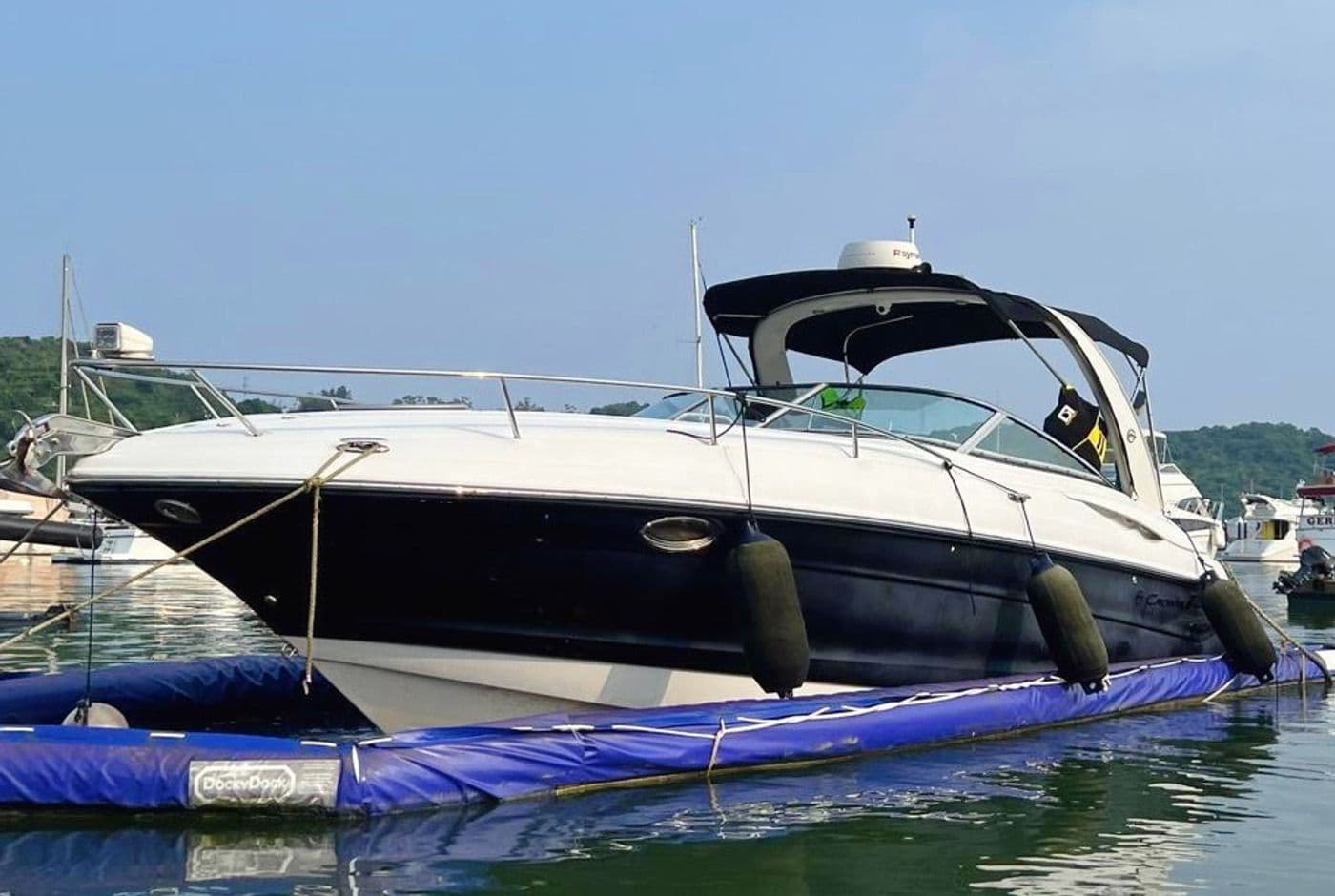
2008· USA
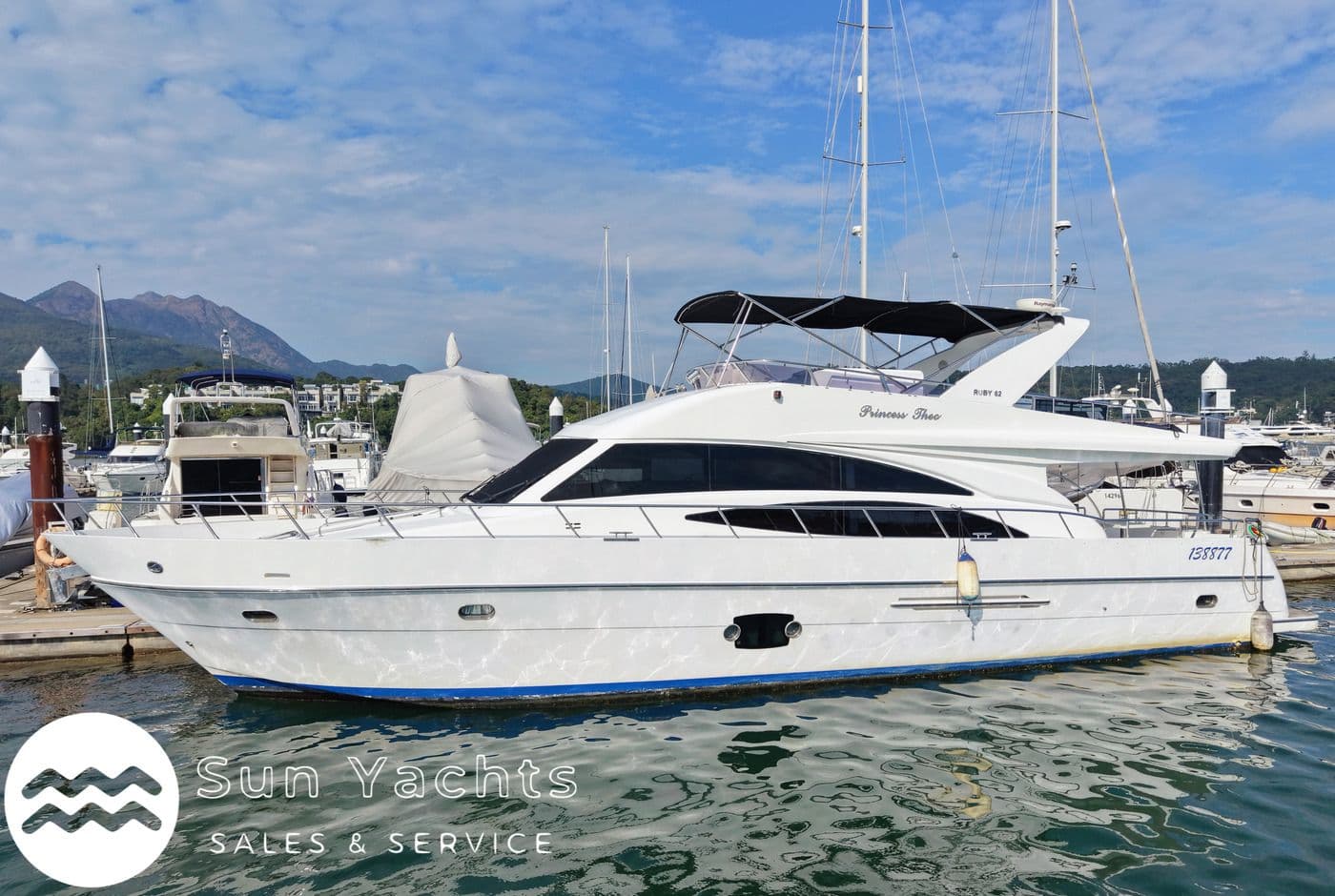
2008· Taiwan
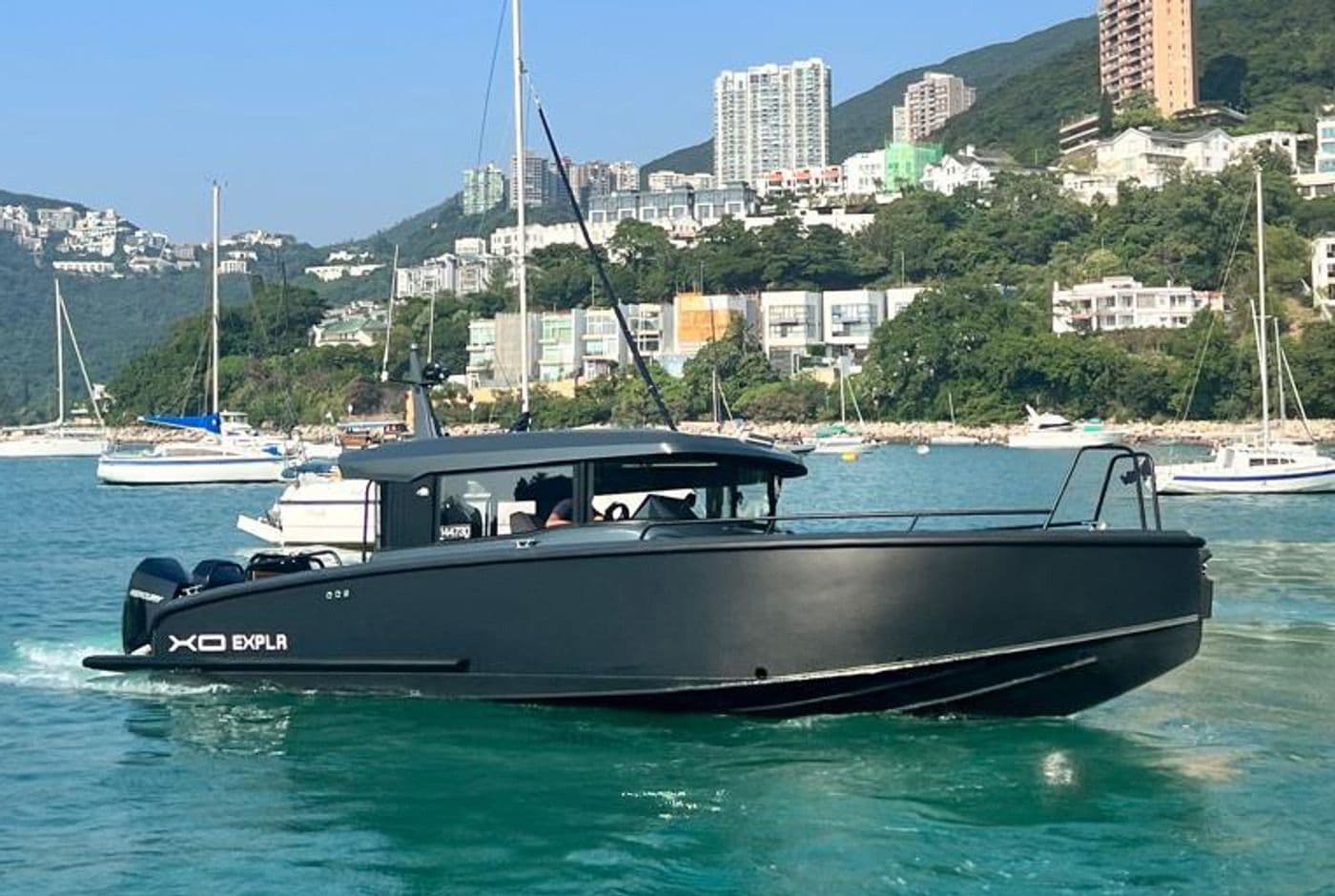
2023· Poland
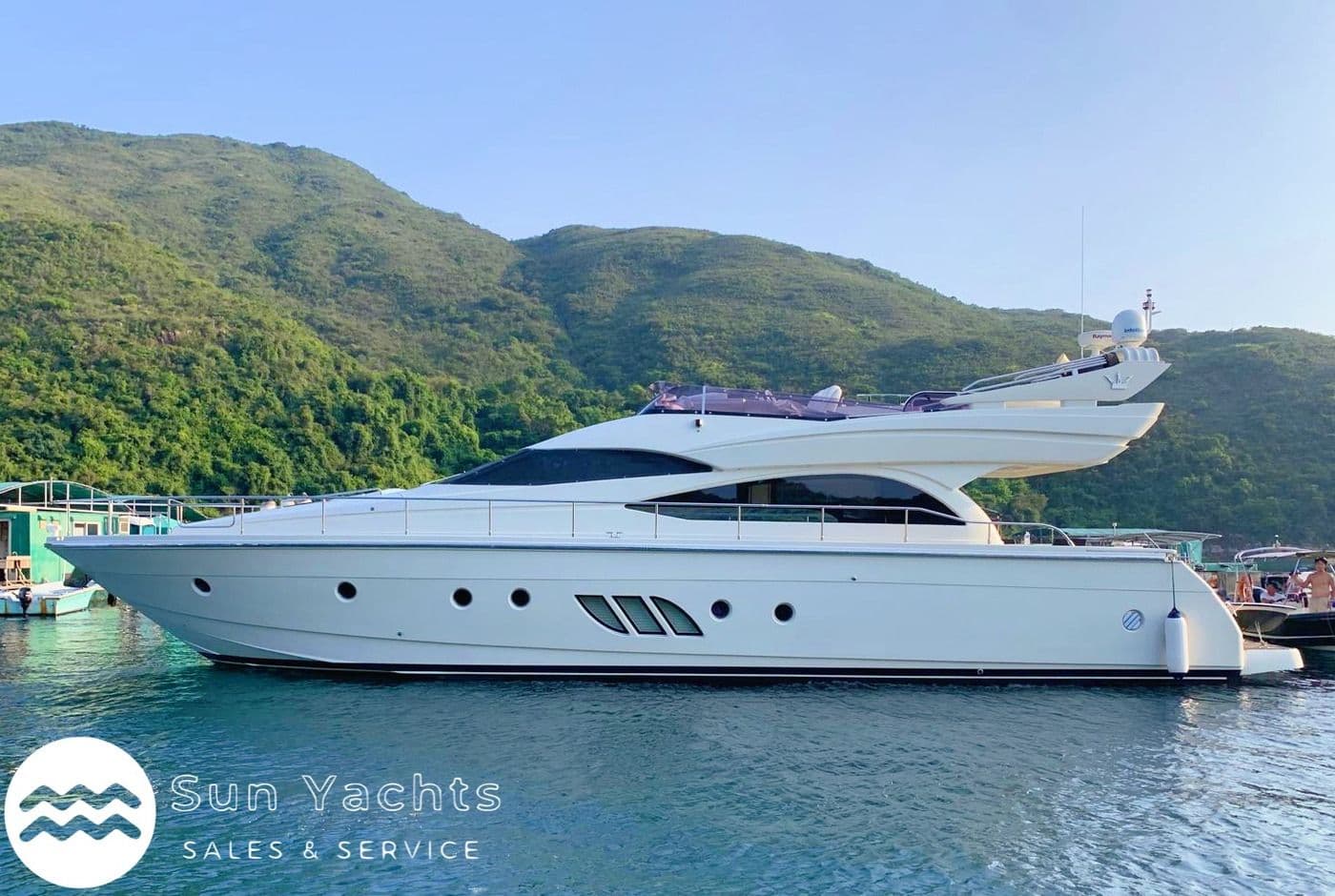
2012· Italy
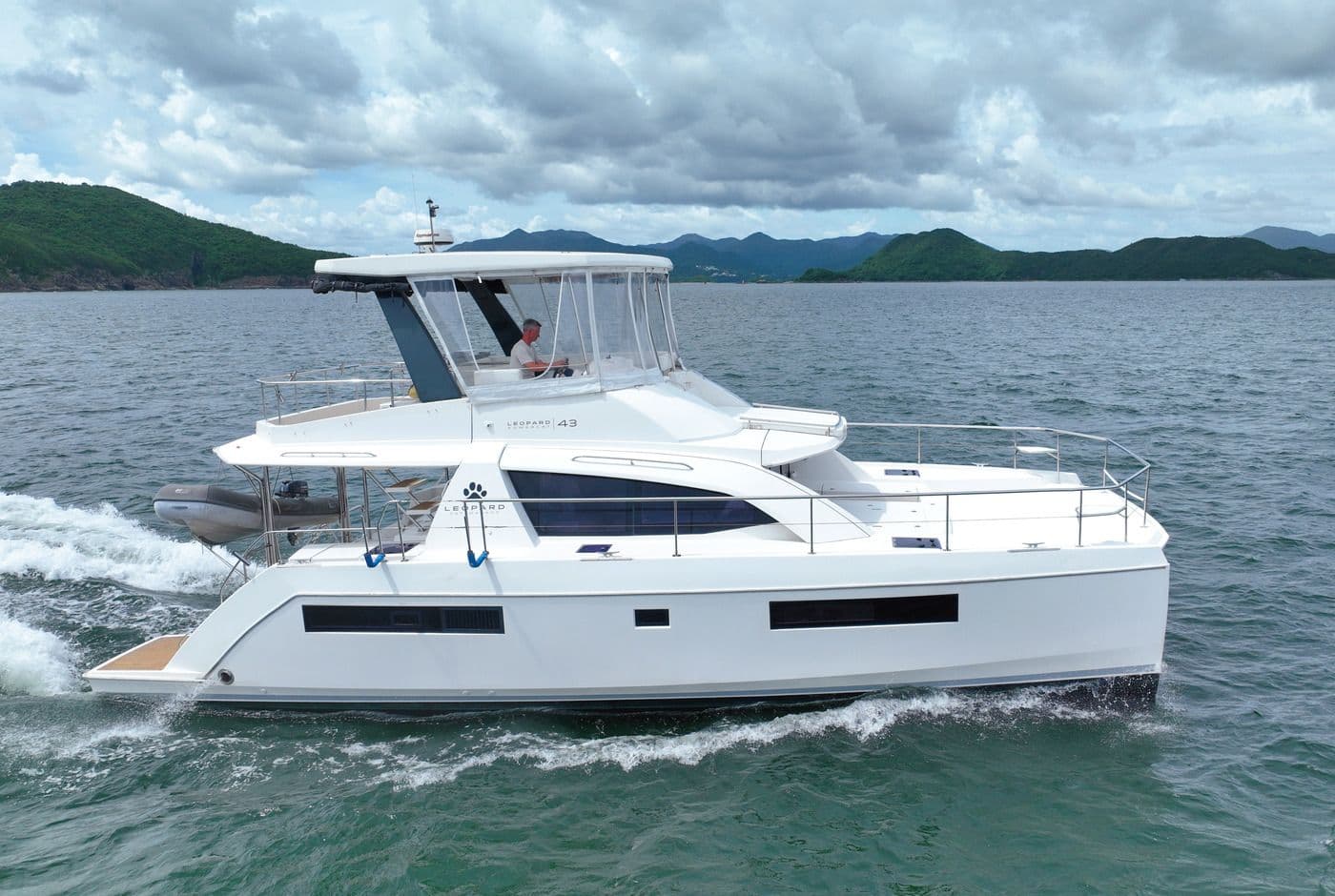
2018· South Africa
Prices are as at the time of enquiry; specs and photos on the boat page prevail. Sold boats are removed.
View all current listingsBoats in stock by budget and brand:HK$1M–3M yachts (23)HK$3M–6M yachts (16)Yachts over HK$6M (13)
FAQ — Common Questions
Talk To Us
Found a boat and want to arrange a survey and sea trial? Tell us which one and we will set up a time.